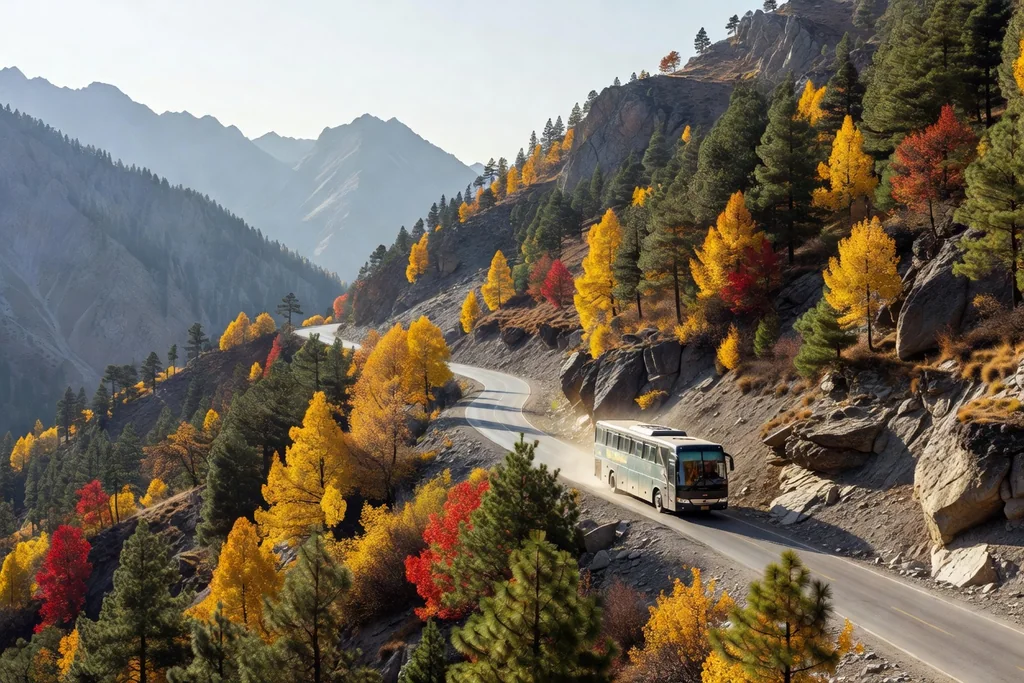
Pakistan has a wide range of climates for a single country, and the best month to travel by coach depends on which route you are taking as much as on the calendar. The plains are hot and dry in spring and early summer, the monsoon arrives in the middle of the year, and the northern mountains have their own short season that is closed in by snow. Choosing the right window makes a long journey far more comfortable, and choosing the wrong one can mean delays, closed roads or simply an exhausting trip. This guide looks at what each part of the year means for intercity coach travel and how to plan around it. Live schedules and fares for your own date are always shown on the booking service.
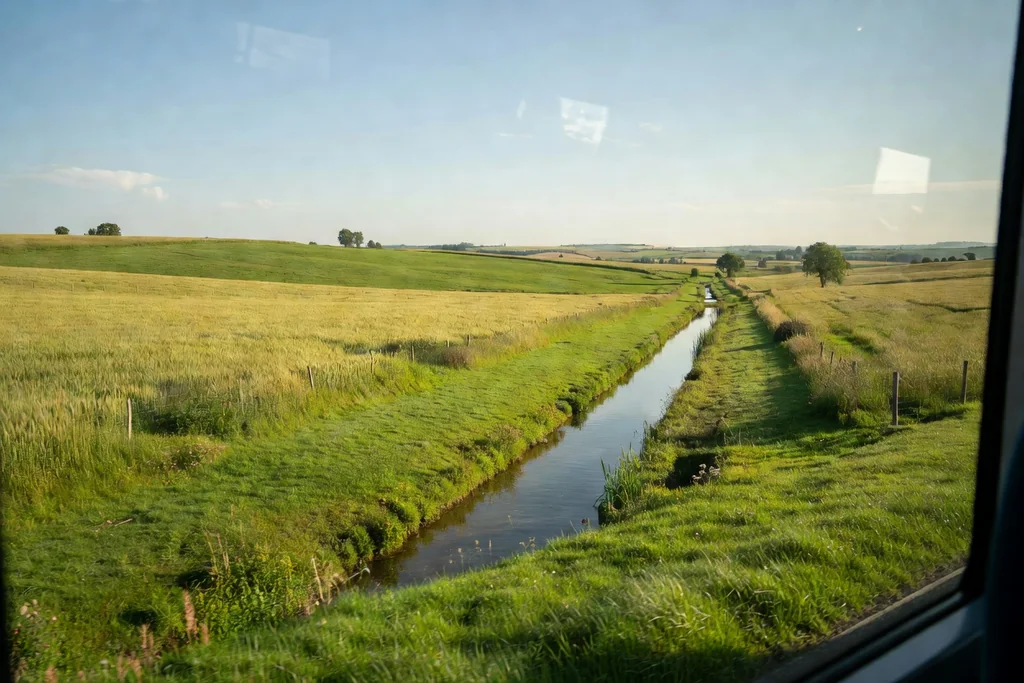
The Cooler Months
From late autumn through to early spring the plains of Punjab and Sindh are at their most pleasant, with mild days and cool nights that suit long daytime journeys. This is the busiest season for travel of every kind, which means more departures to choose from but also more competition for seats around the main holidays. Evening and overnight services can be genuinely cold in the north of the country, so a jacket or a light blanket is worth carrying even if the day feels warm when you set off. Daytime travel in these months is generally the most reliable option, because the roads are dry and daylight makes the motorway journey easy to enjoy.
Summer Heat and Early Departures
In the hottest weeks, the plains can become uncomfortable in the middle of the day, and long hours on a sunlit motorway are tiring even in an air-conditioned coach. Travellers who must cross the country in summer often prefer early morning or overnight departures, which avoid the worst of the heat and let the journey pass while they sleep. Water and light, loose clothing matter more in this season than at any other time of year, and it is worth keeping a bottle within reach for the whole trip. As always, air conditioning works best when the coach is sealed, so the crew will ask passengers to keep doors closed and blinds sensible while the vehicle is moving.
The Monsoon and Road Conditions
The monsoon brings heavy rain to much of the country, and heavy rain means standing water, slower traffic and, occasionally, routes that have to be diverted. Schedules can slip in this period, so anyone with a connection at the other end should allow more margin than usual. Roads through hilly areas are the most affected, because rainwater runs off the slopes and can undermine the surface or bring small landslides onto the carriageway. None of this makes coach travel impossible, but it does reward flexibility: check the forecast, avoid unnecessary tight connections and be prepared for a journey that takes longer than it would in the dry season.
Mountain Routes and the Short Northern Season
The roads that lead to the northern valleys have a season of their own. High passes can be blocked by snow in the winter months, and some sections are only fully open for part of the year, which is why mountain travel rewards careful planning rather than spontaneous decisions. In the open months, the weather in the mountains changes quickly, and a bright morning can turn into rain or cloud by the afternoon. Travellers heading north should build a spare day into their plans, travel in daylight wherever possible and take advice from local operators about the current state of the road, since the information changes from week to week.
Planning Around Public Holidays
Demand for coach travel rises sharply around the main religious and national holidays, when large numbers of people travel to be with their families. The two or three days before and after a major holiday are the hardest in the year in which to find a seat, and fares on the busiest departures move accordingly. If you must travel in those windows, book as far ahead as you can, be flexible about the time of day and expect terminals and service areas to be busy. Outside the holiday peaks, the same routes are far easier to plan and often noticeably cheaper.
Matching the Season to the Journey
For most travellers the simplest advice is to favour the cooler months for long daytime journeys, to travel early or overnight during the heat, and to treat the monsoon and the mountain winter as periods that call for extra margin rather than as reasons not to travel. Whichever season you choose, the practical habits stay the same:
- check the forecast for the route as well as for the two cities;
- prefer daylight travel when the roads are wet or the route is mountainous;
- allow extra time around public holidays and heavy rain;
- carry water in summer and a warm layer for cool nights and air conditioning;
- confirm the live timetable before you rely on it.
Those five habits cover most of what the weather can throw at an intercity journey, and they cost nothing to follow.
| Period | Conditions | What to plan for |
|---|---|---|
| Cooler months | Mild days, cool nights on the plains | Peak season: book early, carry a warm layer |
| Hot weeks | High daytime temperatures inland | Early or overnight departures, plenty of water |
| Monsoon | Heavy rain, standing water, occasional diversions | Extra margin for connections, flexible plans |
| Mountain winter | Snow and closed high passes | Check the road before booking, keep a spare day |
| Public holidays | Very heavy demand on every route | Book well ahead and stay flexible on timing |
| Quiet weeks | Reliable roads, easier availability | Best value and the widest choice of coaches |
There is no single perfect month for travelling across Pakistan, only a set of trade-offs between comfort, availability and price; pick the window that suits your route, plan for the weather and the journey will take care of itself.