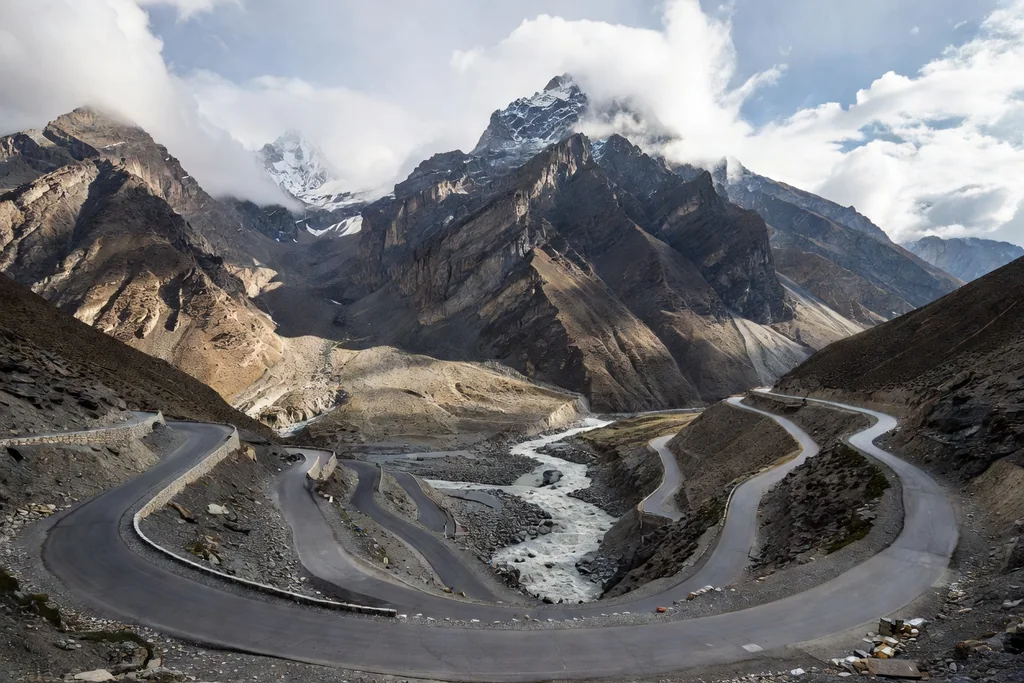
The northern valleys of Pakistan are among the most spectacular places a coach or a minibus can take you, and they are reached by public transport every day of the open season. The journey is built up in stages rather than made in a single hop: first the motorway north from the capital, then the mountain highways that climb into the hills, then the smaller local vehicles that serve the valleys themselves. Understanding that structure makes the trip far easier to plan, because each stage has its own timings, its own terminals and its own season. This guide sets out how the route north works, what to expect in the mountains and how to prepare. Live schedules for every stage you book through us are shown on the booking service.
How the Journey Is Built Up
Travelling north from the capital does not mean finding one vehicle that goes all the way to a remote valley. It means taking a fast, comfortable coach up the motorway to a gateway town, then continuing in whatever local transport serves the valley you have chosen. Those local vehicles are usually smaller, slower and less strictly timetabled than the intercity coaches, and they leave when they are full as often as they leave on a timetable. Planning in stages lets you decide where to break the journey, where to spend a night and how much time to leave between connections. It is also the practical reality of mountain travel: road conditions, not distance, decide how long the last stage will take.
From the Plains to the Gateway Towns
The first stage is the easiest. Modern coaches run from the capital and from the other large cities to the towns at the foot of the hills, using the motorway network for most of the way and leaving only the final climb on mountain roads. This is the stage to book in advance, because the comfortable, air-conditioned coaches sell out first and the motorway leg is where most of the distance is covered. Departures are frequent through the day, and an early start leaves room for a same-day connection onwards if everything runs to time. Allow a margin anyway: a late arrival on the plains means a missed mountain connection, and mountain connections do not come along every hour.
Onward Transport in the Valleys
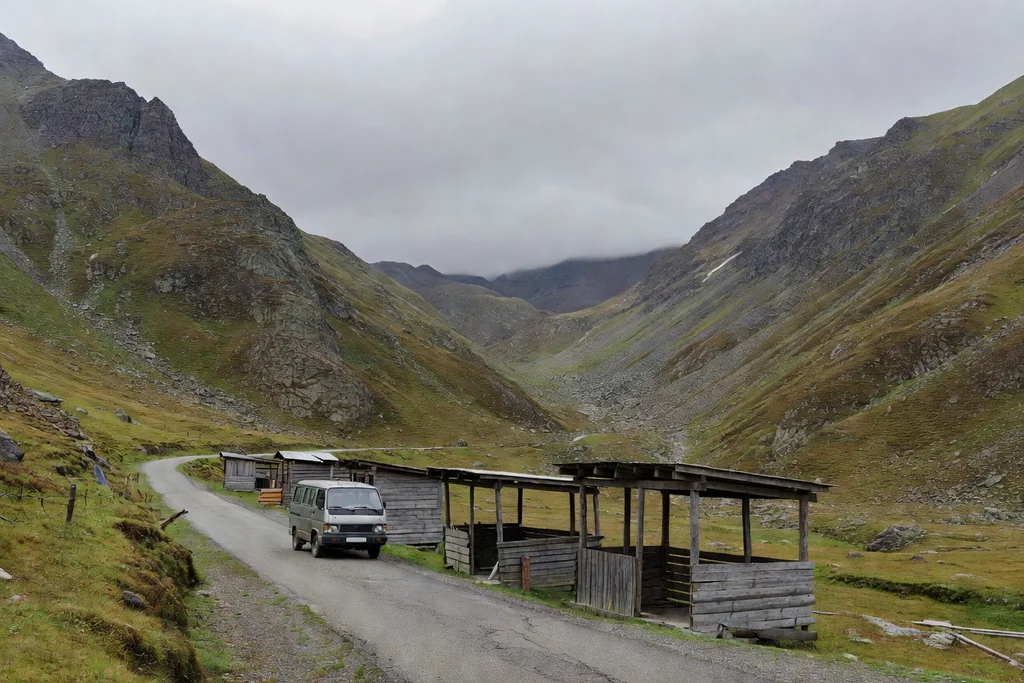
Beyond the gateway towns, transport becomes local. Minibuses, shared vans and jeeps run to the villages and to the trailheads, and their departure points are often a short walk from where the intercity coach sets you down. This is where flexibility matters most, because a vehicle that is waiting for passengers may leave in twenty minutes or in two hours. Seats are sold on the spot rather than online, luggage goes on the roof as often as in a hold, and the road can narrow to a single track with a drop on one side. Travelling in daylight is strongly preferable, both for the views and for safety, so plan to reach the gateway town with the afternoon still ahead of you.
When the Mountain Roads Close
Mountain travel in Pakistan is seasonal. High passes are blocked by snow in the winter months, and some sections of road are only fully open for part of the year, which is why hill travel rewards careful planning rather than spontaneous decisions. In the open months the weather can still change quickly, and a clear morning may turn into cloud, rain or hail by the afternoon. The state of any particular road changes from week to week and sometimes from day to day, so the sensible approach is to ask locally before setting out, to keep a spare day in the itinerary and never to treat a mountain connection as something that can be relied upon to the hour.
Comfort, Altitude and Health
The air thins as the road climbs, and even travellers who feel perfectly well on the plains may notice the difference at altitude, especially after a long seated journey. Arriving with a day in hand rather than pushing straight on to a high village gives the body time to adjust and makes the whole trip more enjoyable. Mountain nights are cold even in summer, so a warm layer, a hat and a scarf deserve space in the bag. Sunburn is a real risk at altitude, where the sun is stronger than it feels, and a water bottle should be refilled at every opportunity because the air in the hills is dry. A small first-aid kit, any regular medicine and a charged power bank cover most of what can go wrong.
Practical Habits for the Route North
The travellers who enjoy the northern valleys most are the ones who organise the journey around a few simple principles:
- book the motorway stage in advance and leave early in the day;
- plan the mountain stage as a separate journey with its own timing;
- carry enough cash for local transport, tea and a night's stay;
- travel in daylight and avoid a long mountain descent after dark;
- keep a spare day in the itinerary for weather and road conditions.
Follow those and the journey north becomes an enjoyable part of the holiday rather than a rush to catch up with a plan that was too tight to begin with.
| Stage | Typical transport | What to keep in mind |
|---|---|---|
| City to gateway town | Air-conditioned intercity coach on the motorway | Book ahead, leave early, allow a margin |
| Gateway to valley | Minibus, shared van or jeep | Seats sold locally, vehicles fill before leaving |
| Valley to villages | Local vans and shared jeeps | Daylight travel, narrow single-track roads |
| Closed season | High passes blocked by snow | Check the road before you commit to a date |
| Luggage | Often carried on the roof of local vehicles | Use a soft, waterproof bag and keep valuables with you |
| Health | Altitude increases as the road climbs | Arrive a day early, carry water and a warm layer |
Go north in stages, book the comfortable highway leg in advance, leave the mountain connections room to breathe, and the valleys of northern Pakistan become entirely reachable by public transport rather than the preserve of a private car.